March 12, 2026
In industries where precision, safety, and reliability are non-negotiable, leak detection is far more than a routine procedure—it is a critical safeguard against failure, contamination, and costly downtime. From aerospace components to medical devices and high-vacuum systems, even microscopic leaks can compromise performance and safety. Helium leak detection has become the gold standard for identifying ultra-small leaks thanks to helium’s unique physical properties and the exceptional sensitivity of mass spectrometer technology. By understanding how helium leak detection works—from preparation and ionization to scanning and result analysis—organizations can protect system integrity, maintain compliance, and ensure long-term operational success.
Understanding Helium Leak Detection
Leak testing is fundamental in numerous industries to ensure the proper functioning and safety of systems and containment. Undetected leaks can lead to catastrophic failures, environmental harm, and safety hazards, making reliable leak detection essential. Helium leak detection is a preferred method due to its sensitivity and reliability, offering an intricate means of pinpointing leaks. Using helium as a tracer gas requires understanding the unique properties that make it ideal for this purpose. The importance of leak testing lies not only in identifying leaks but also in maintaining the operational efficacy of diverse systems.
Helium is an inert, non-toxic, and non-flammable noble gas, making it safe and effective for leak detection. Its small atomic size allows it to escape through the tiniest leaks that other gases cannot pass through as readily. Helium's low natural presence in the air, about 5 ppm, ensures a clear background for detecting its presence when used in detectors. According to Wikipedia, helium leak detectors can measure leak rates as low as 10-9, making them suitable for detecting extremely small leaks. This unique combination of properties sets helium apart as the optimal choice for leak detection across various applications.
Preparing for Helium Leak Detection
Preparation is crucial for accurate helium leak detection, beginning with proper equipment setup and calibration. Ensuring that all helium leak detector components function correctly and effectively prevents false readings and maximizes detector performance. Calibration typically involves using a known helium leak standard to establish a reliable baseline. Appropriate equipment setup includes considering the connections, seals, and overall system compatibility with helium detection. Routine inspections and maintenance of the detection system mitigate potential issues before they affect the accuracy of test results.
Choosing the correct helium concentration is vital in preparing for a leak detection test. Too much helium can saturate the sensor or mask small leaks, while too little can yield inconclusive results. Expert recommendations usually suggest a concentration of 10% helium in the test gas for optimal detection. It's important to tailor the composition to suit specific testing conditions, factoring in the system's volume and pressure. Additionally, verifying that the system is clean and free from contamination ensures the integrity of the testing process.
Comprehending a Helium Mass Spectrometer
A helium mass spectrometer operates on the core principles of mass spectrometry, which involves ionizing gas atoms or molecules and separating the ions based on their mass-to-charge ratio. In the context of leak detection, helium atoms are ionized because they are the tracer gas being measured. The ions then travel through an electromagnetic field where they are separated, allowing only helium ions to reach the detector. This level of separation ensures that the mass spectrometer is not affected by other gases, providing a clean and specific measurement of helium. The intricate nature of this process underpins the sensitivity and precision of helium leak detectors.
Ionization plays a vital role in the effectiveness of helium leak detection, as it is the process that converts neutral helium atoms into positively charged ions. This is achieved using an electron beam, which impacts the helium atoms and removes electrons, thereby ionizing the gas. These ions become the measurable entities within the mass spectrometer. The role of ionization is crucial, as it creates a means for detecting and quantifying trace amounts of helium emanating from leaks. Without this step, the helium leak detector could not achieve the distinguishing characteristics necessary for identifying micro-leaks.
The separation and detection of ions are managed by a mass analyzer, which uses magnetic and/or electric fields to differentiate ions. In helium leak detectors, this step focuses solely on identifying signals from helium ions, filtering out interference from other substances. The precision of this separation process allows for the detection of leaks at incredibly low rates. Signal processing within the detector interprets the presence and quantity of helium ions, presenting the findings as a readable output. This transformation from raw ion data to understandable readouts is the culmination of the helium leak detector's analytical capabilities.
Conducting the Helium Leak Test
The testing process begins with the initial system evacuation and pressurization. Evacuating the system creates an environment where helium can easily be detected if it escapes from the containment. Pressurization of the system follows, ensuring the internal pressure is conducive to detecting leaks. Any integral leak testing must maintain system integrity during this phase to prevent false detections or disruptions during testing. Effective management at this stage sets up subsequent testing procedures for success, underlining the importance of preparation.
Introducing helium into the system is a critical phase of conducting a helium leak test. The concentration and method of introduction depend on the specific system parameters and the nature of the test. For example, connecting the helium source to a known entry point ensures controlled distribution throughout the testing phase. Precise monitoring during this phase allows for accurate readings and minimizes potential losses resulting from human error or equipment malfunction. Each step in the introduction process directly affects the final detectability of leaks.
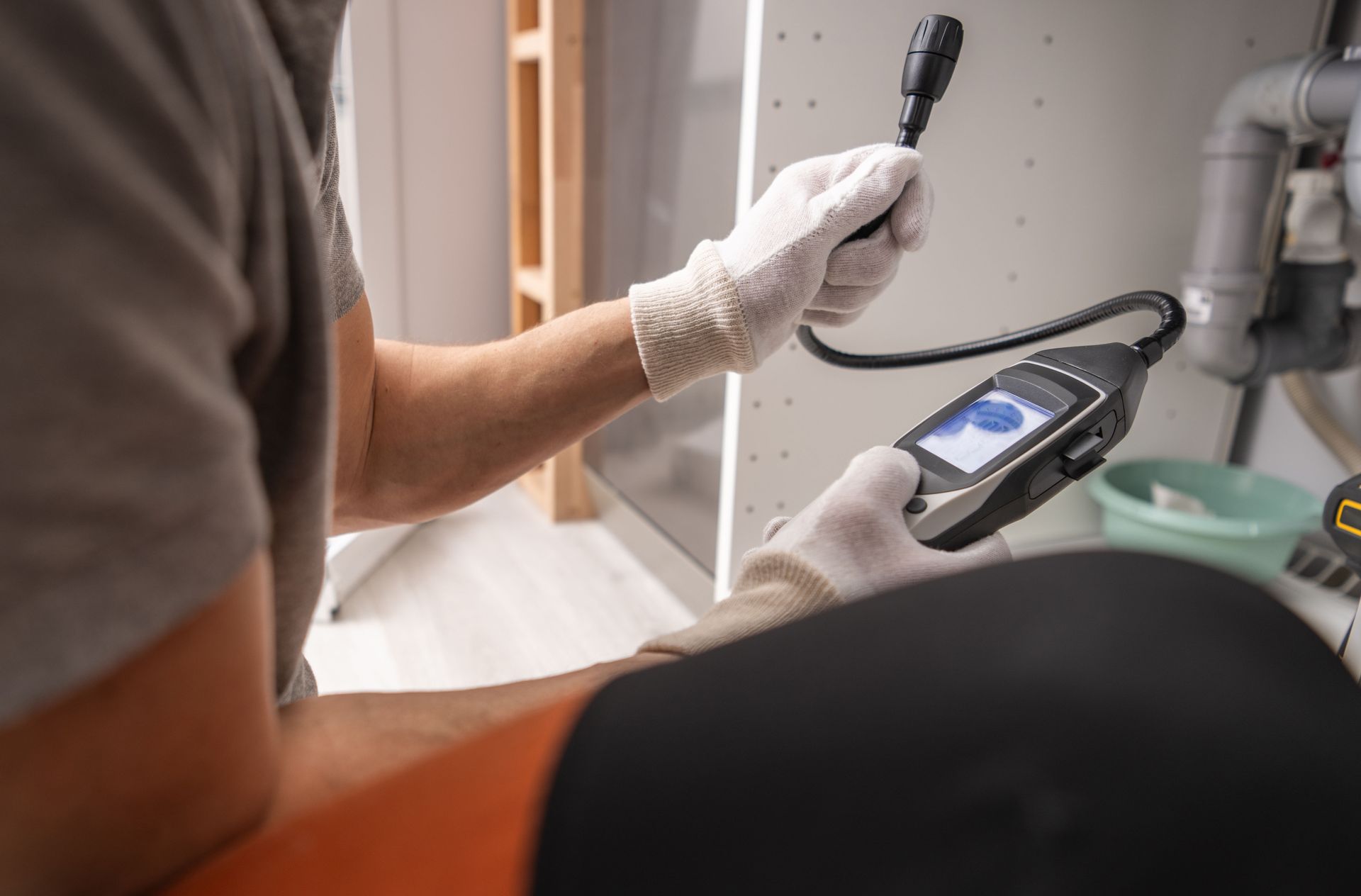
Scanning for leaks involves using a probe or sniffer to localize leaks accurately. An operator carefully maneuvers the probe around potential leak sites, seeking out significant helium readings. The detailed scanning process ensures comprehensive coverage of the system, identifying even the smallest leaks. Localization and quantification of leaks requires cross-referencing with the helium leak detector's readouts, making use of its fine sensitivity. As a result, operators can accurately determine the size and position of leaks, essential for subsequent repair and maintenance efforts.
Analyzing Test Results
Understanding leak rate measurements is crucial for making informed evaluations based on test outputs. Leak rate is a quantifiable measure describing how much helium escapes per unit of time. Interpreting these measurements allows operators to assess the severity of detected leaks accurately, crucial for effective maintenance planning. This precise capability signifies the advanced nature of helium leak tests.
Interpreting mass spectrometer readouts involves understanding the relationship between detected ion patterns and possible leak sources. Proper analysis of these readouts facilitates quick decision-making regarding immediate and long-term actions necessary to address identified leaks. Familiarity with common readout patterns ensures efficiency and accuracy when communicating findings and recommendations. Operators also need to consider other possible interpretations that could affect diagnostic conclusions. Ultimately, expert readout analysis is a vital skill in maximizing the usefulness of helium leak detection results.
If your operations depend on airtight systems, now is the time to evaluate your leak detection strategy. Consult with HVS Leak Detection, assess your current testing protocols, and ensure your equipment meets modern sensitivity standards. Investing in accurate helium leak testing today protects your systems, your safety standards, and your bottom line tomorrow.